
An unexpected beginning
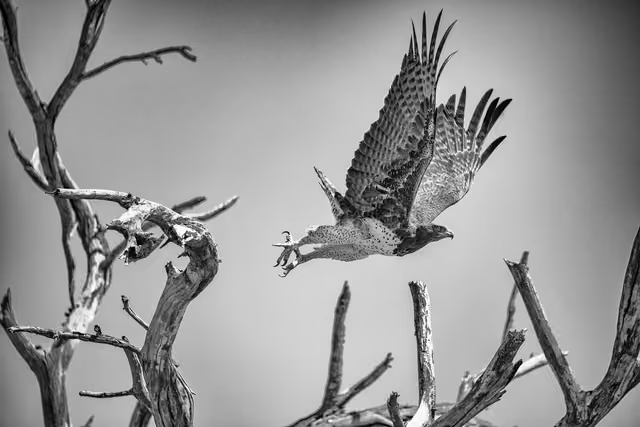
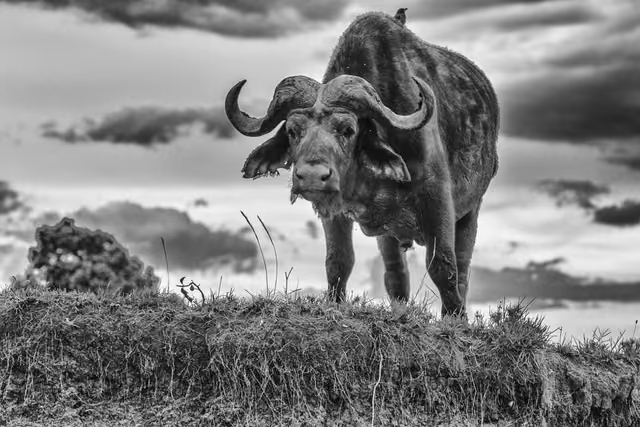
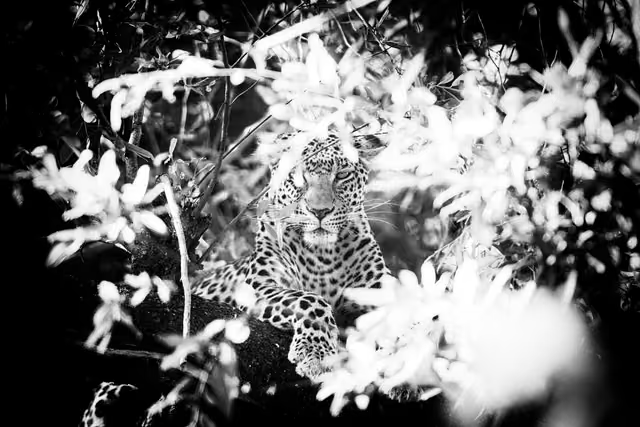
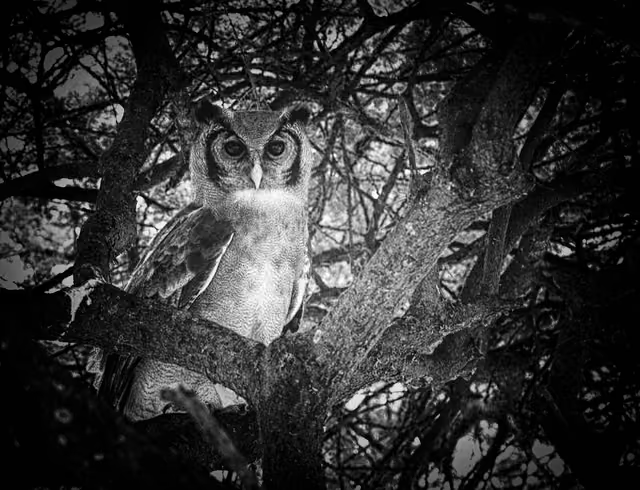
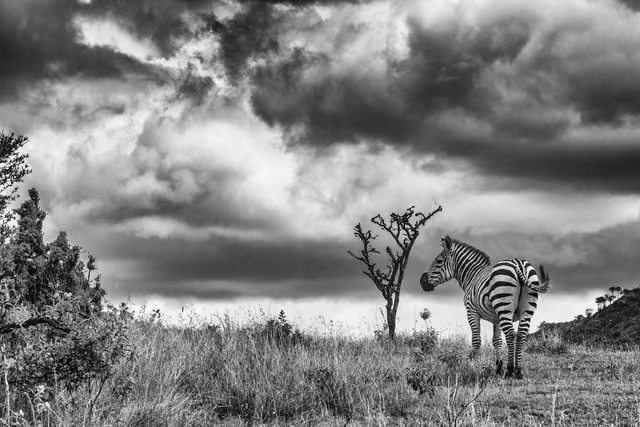
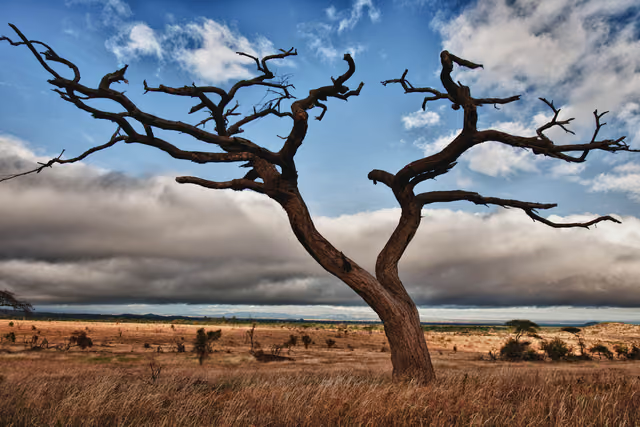
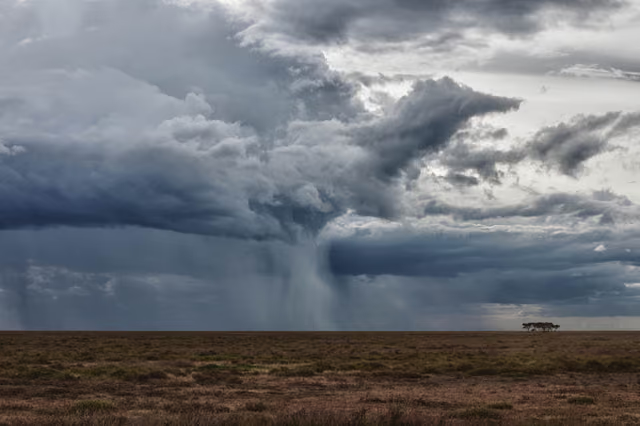
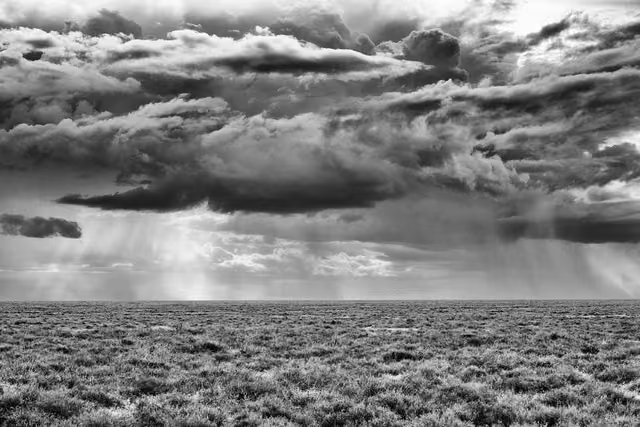
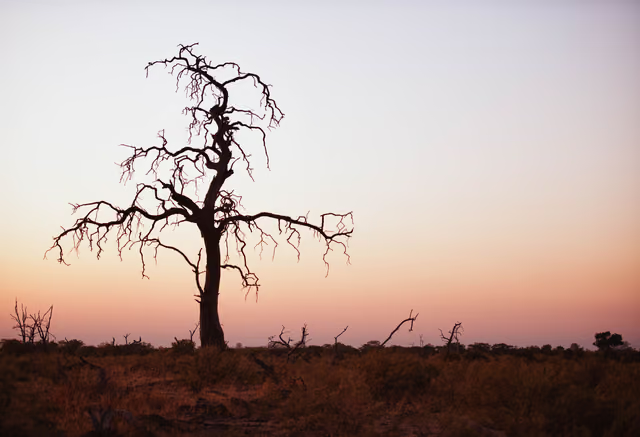
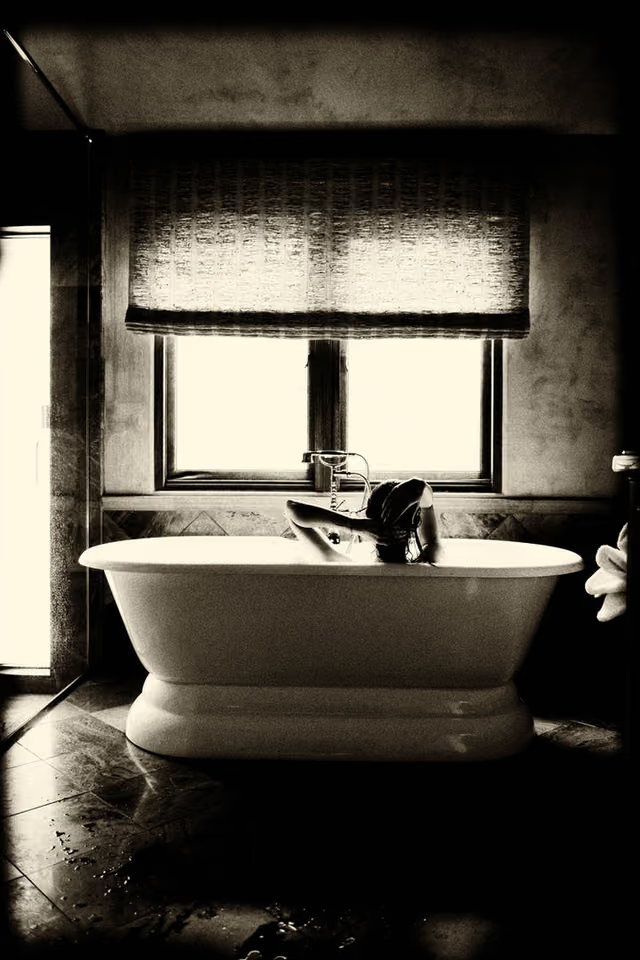
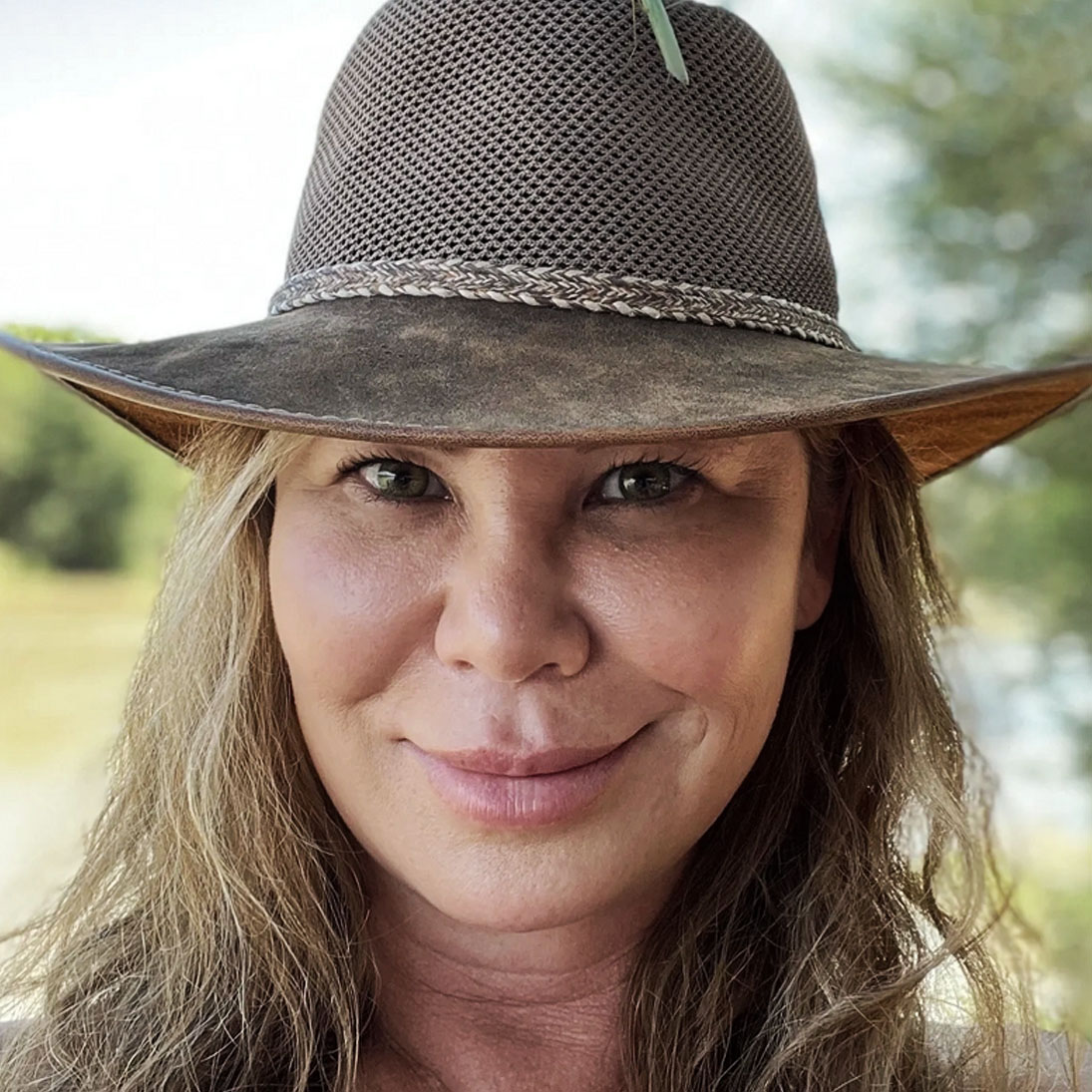
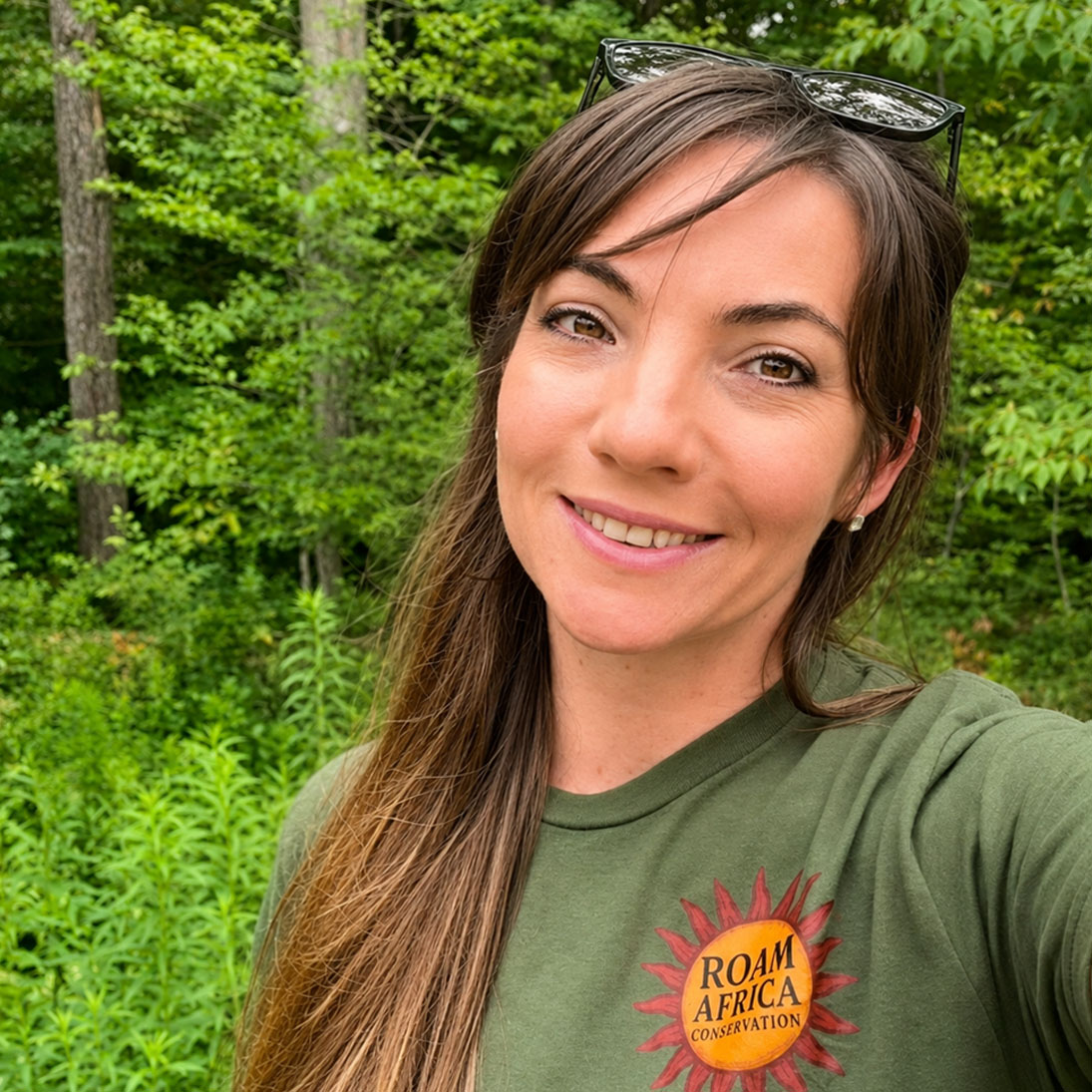
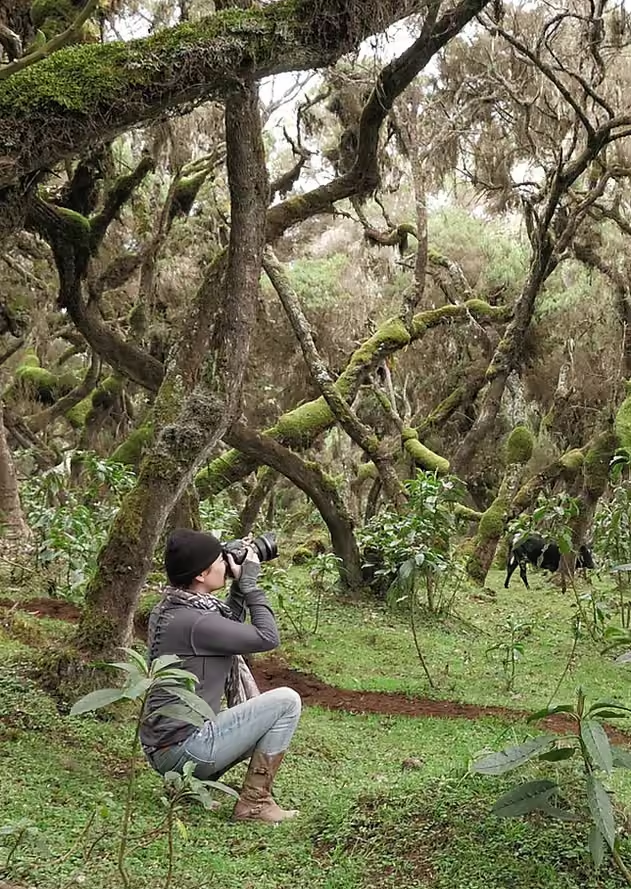
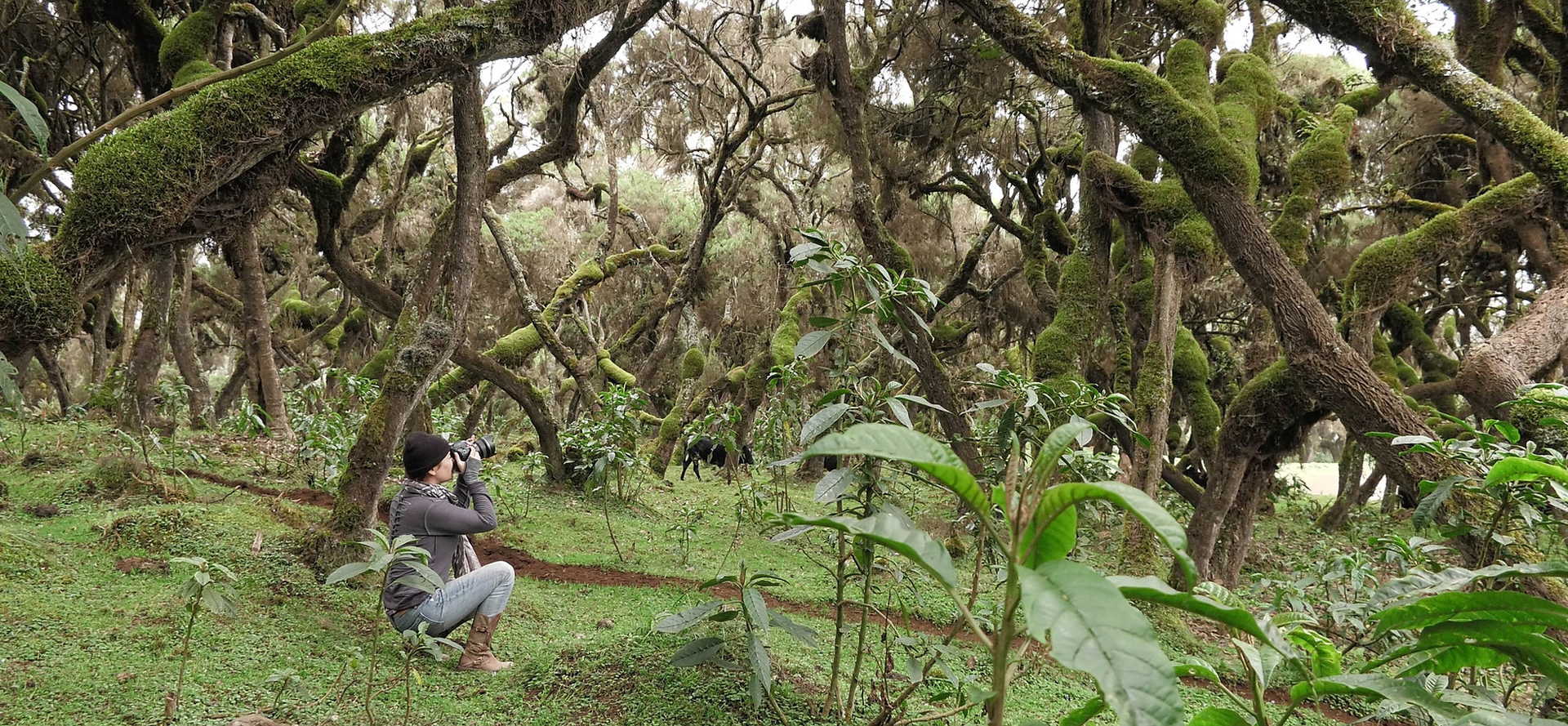
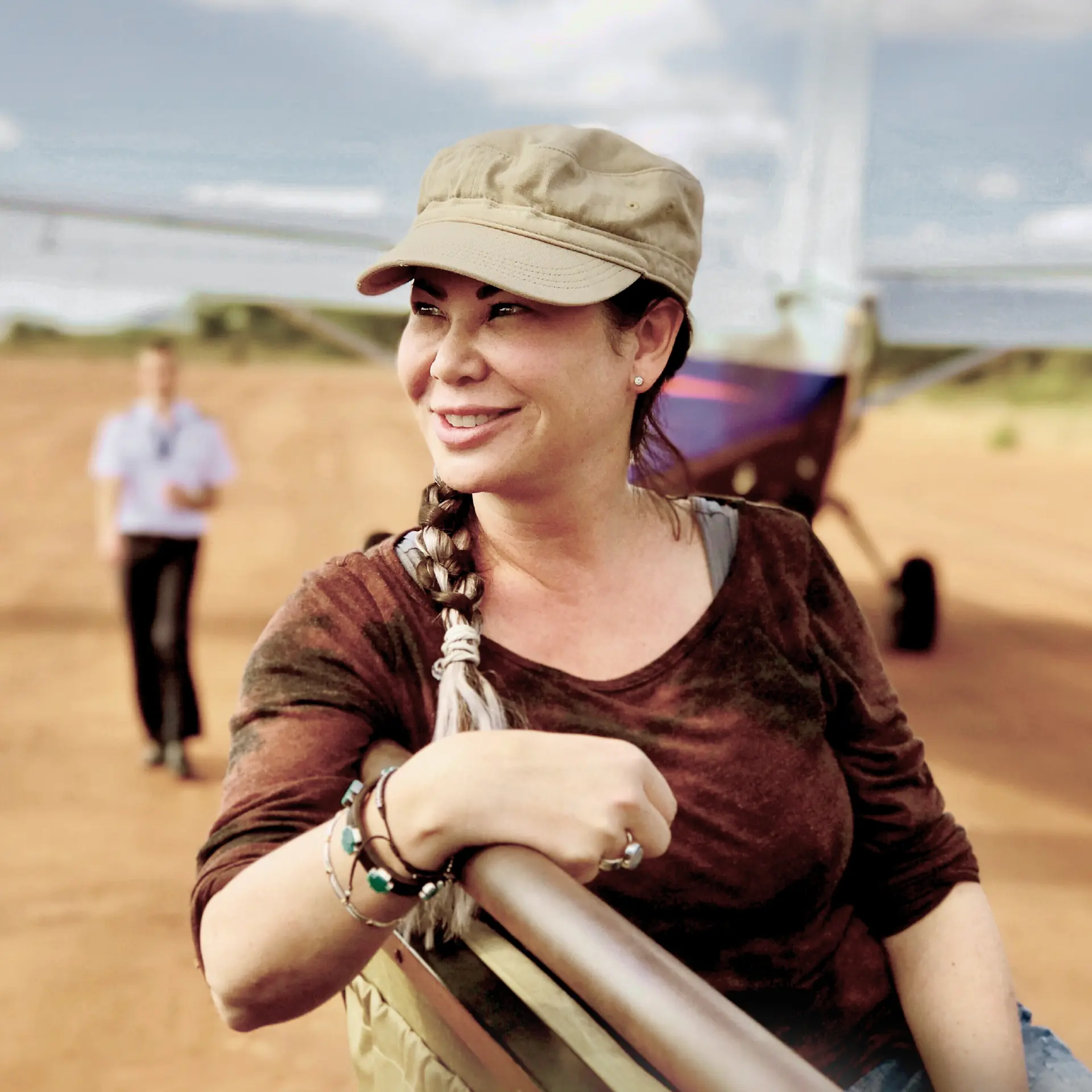
Xtina never imagined her career would lead to the African continent. Earlier in her professional life she worked in museum leadership. Then a devastating horseback riding accident abruptly changed everything — multiple surgeries, months of rehabilitation, and an extended recovery. Searching for a new direction, she enrolled in a photography class simply to get out of the house. What began as therapy quickly became a passion, and then an opportunity arrived that would redefine her future: a photography workshop in Africa.
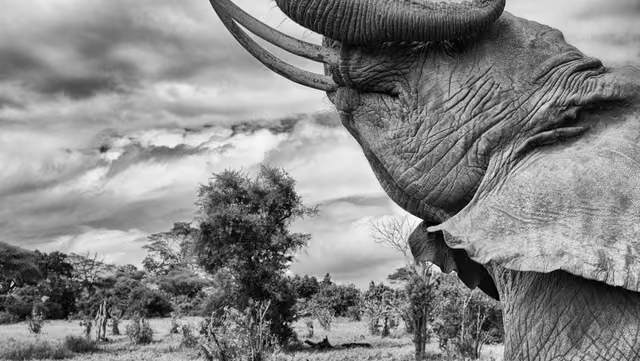
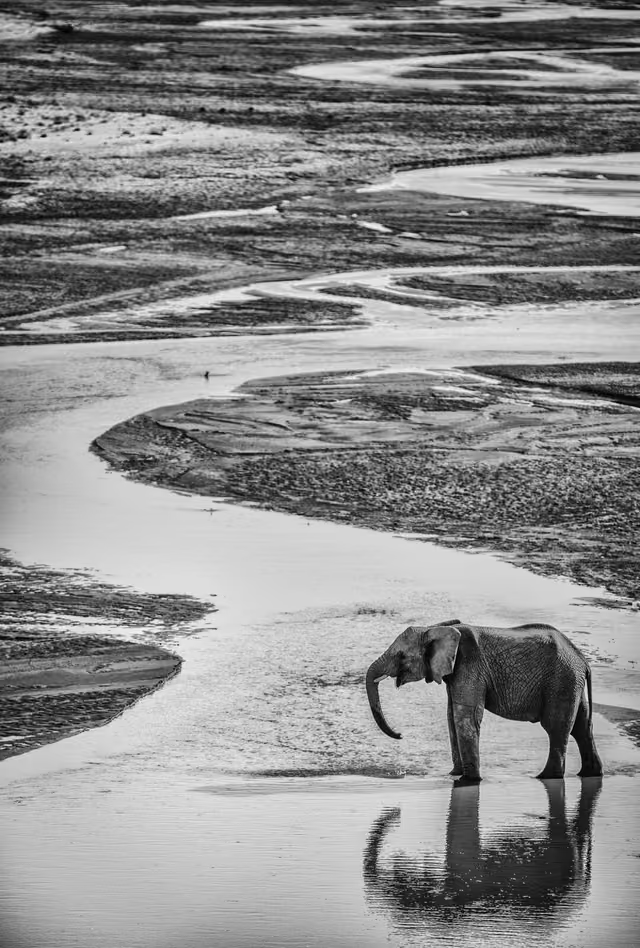
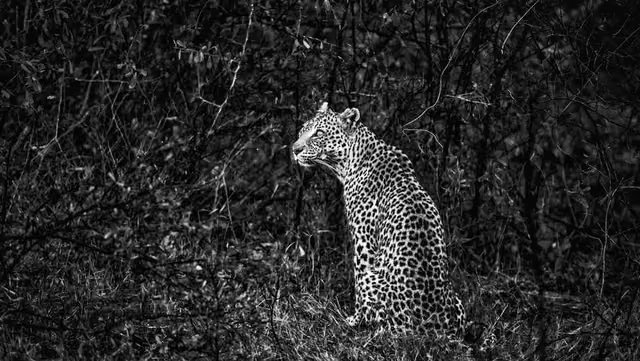
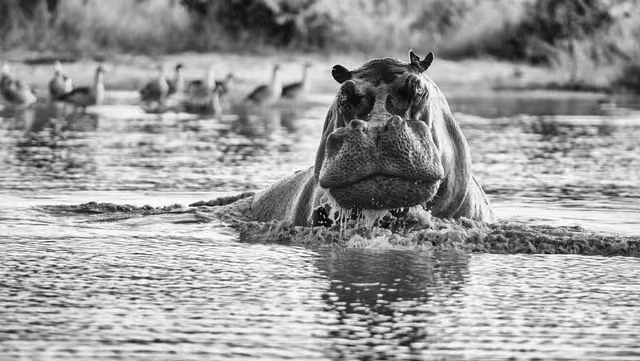
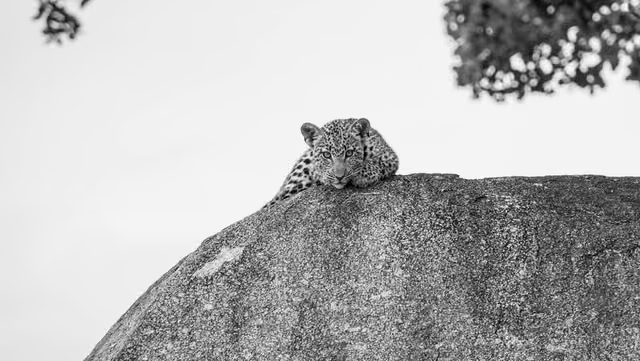
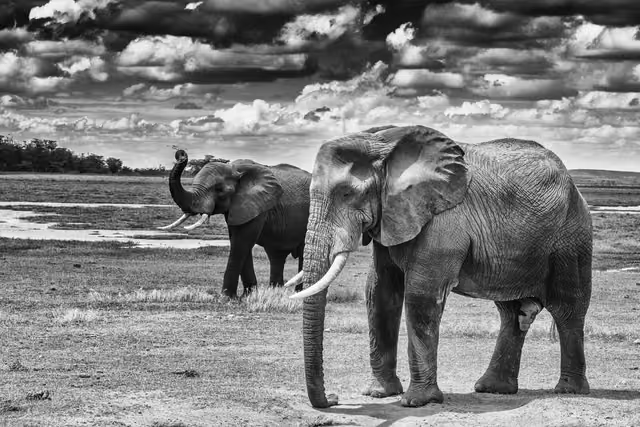
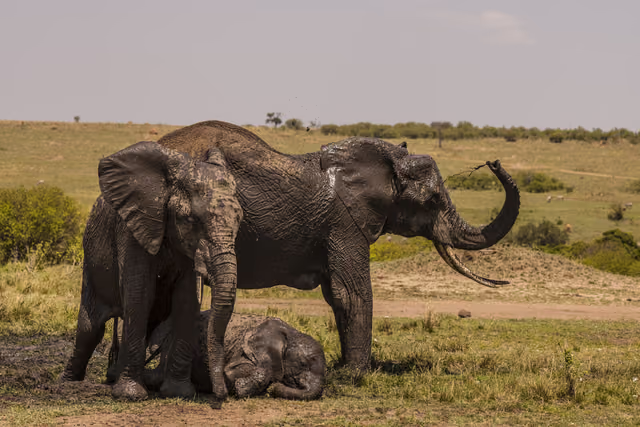
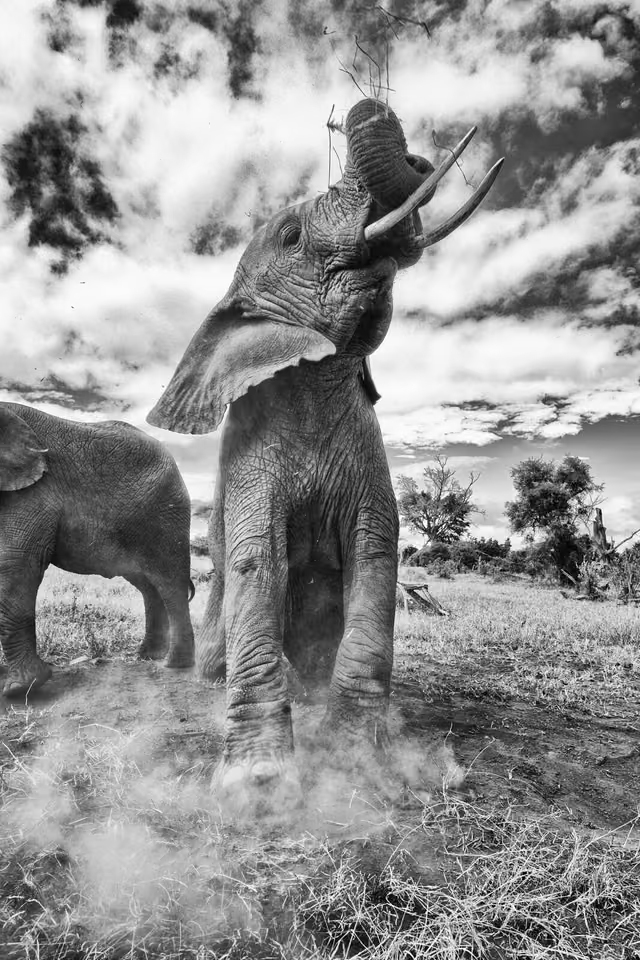
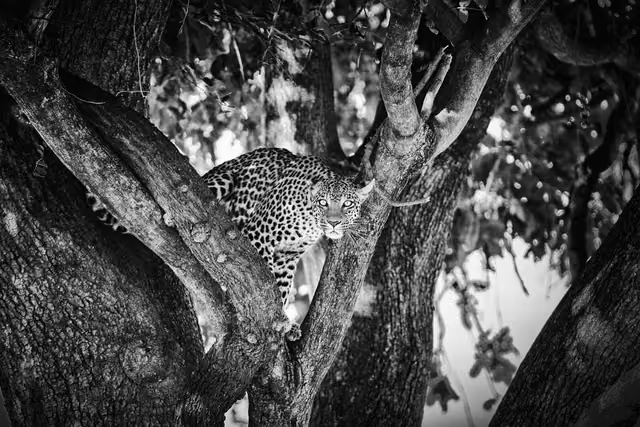
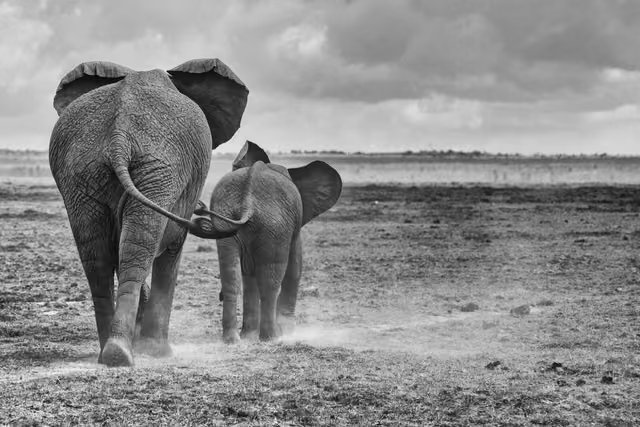
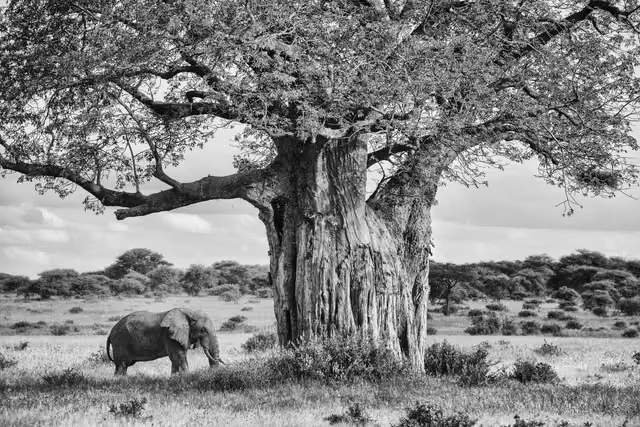
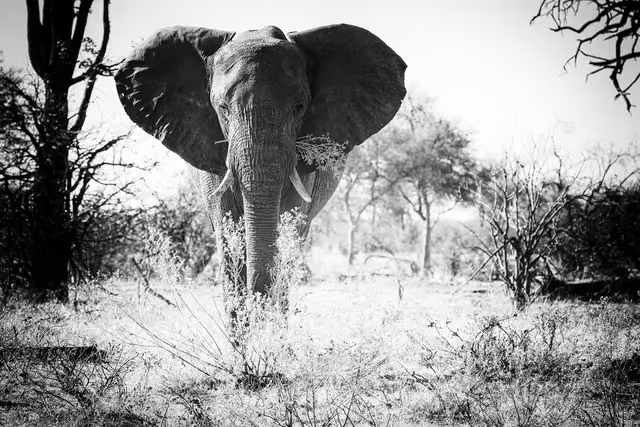
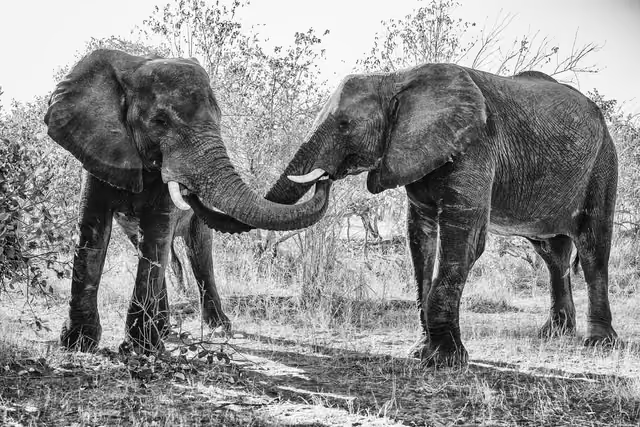
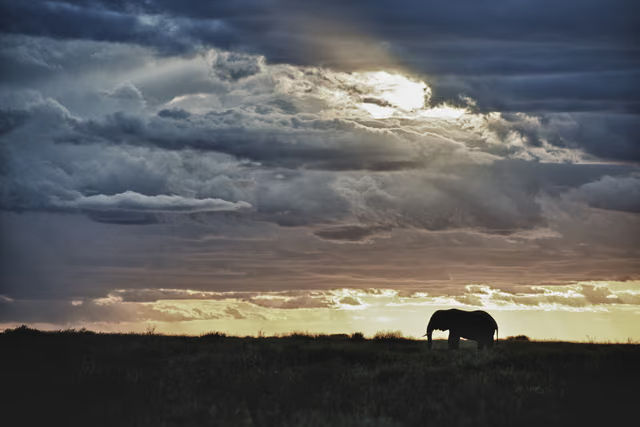
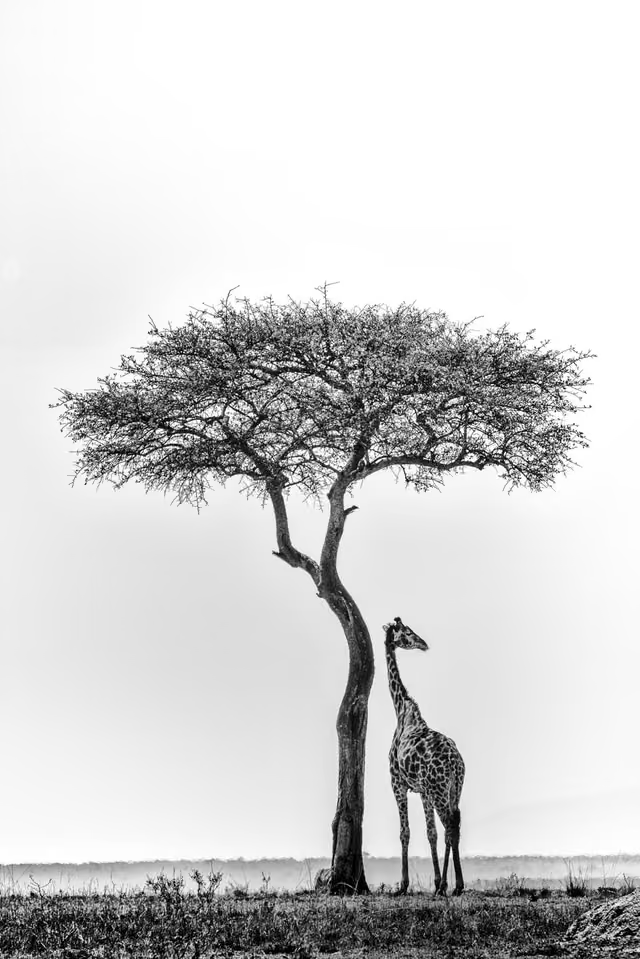
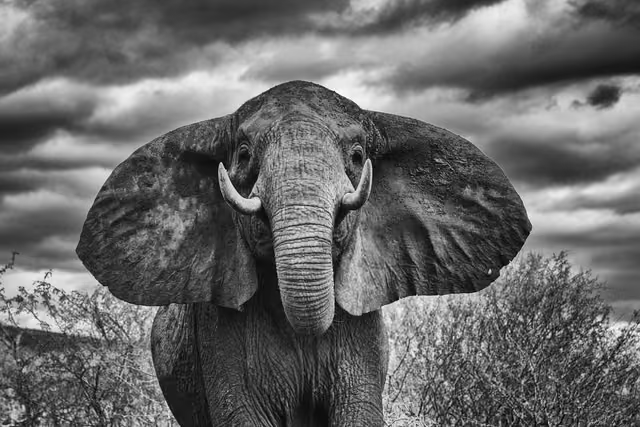
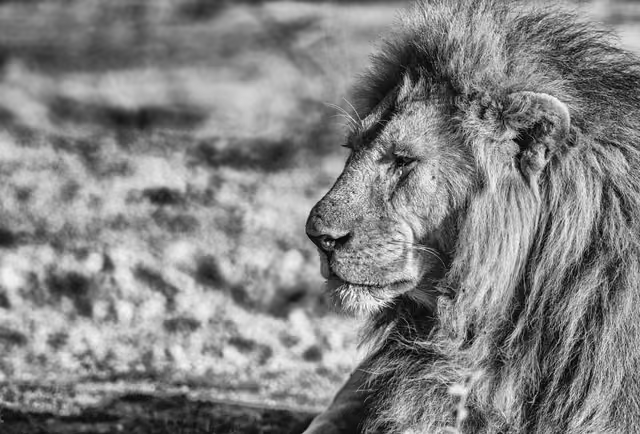
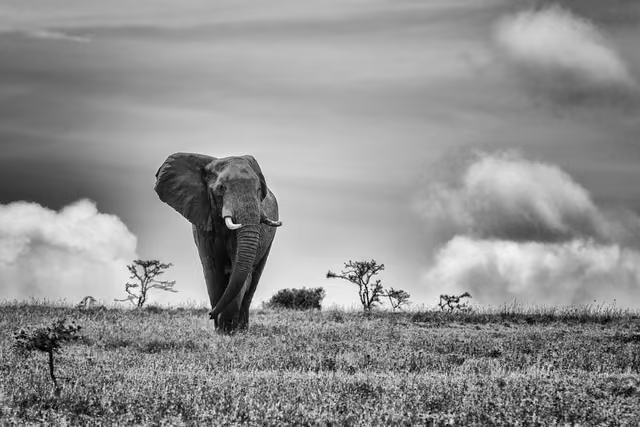
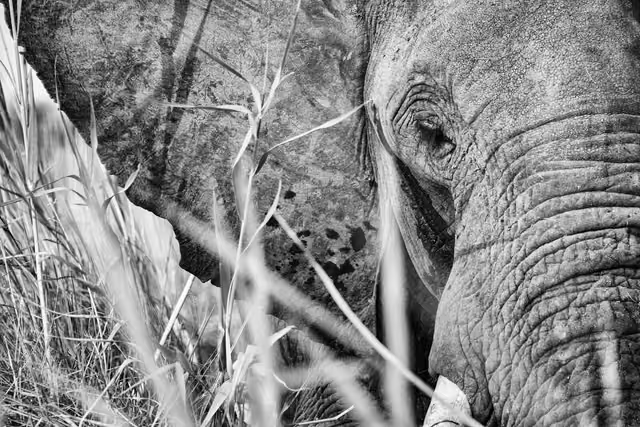
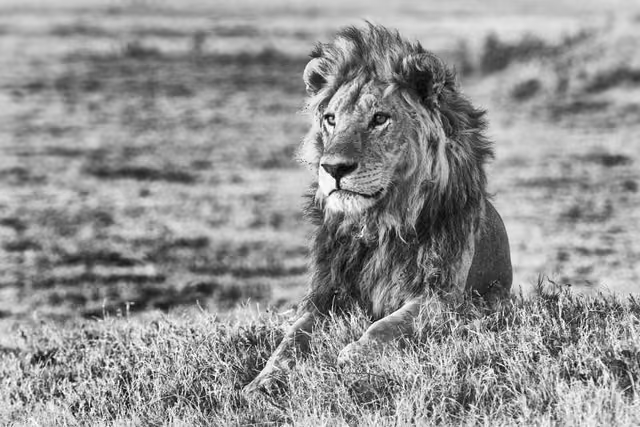
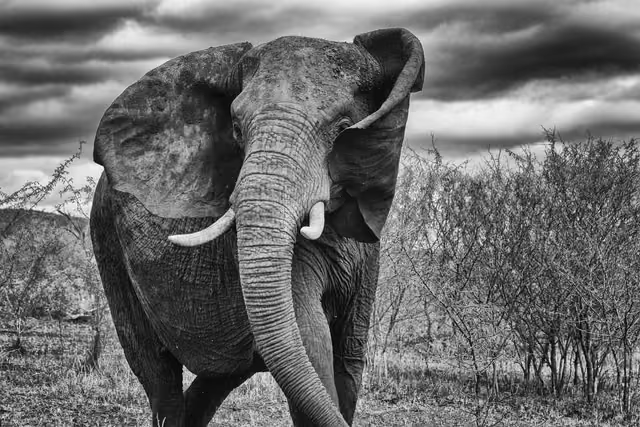
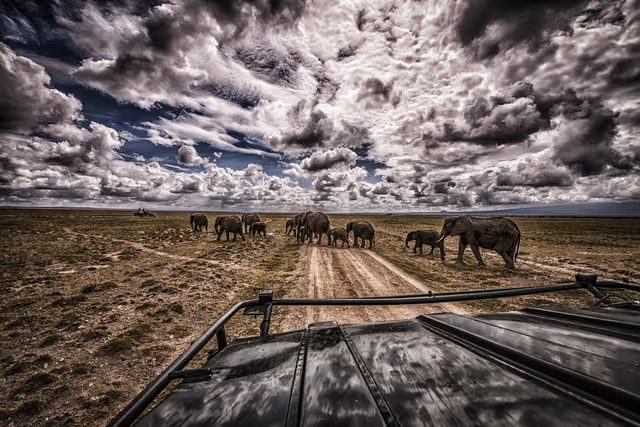
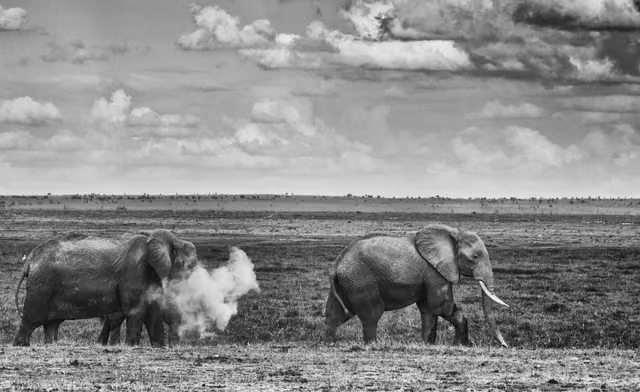
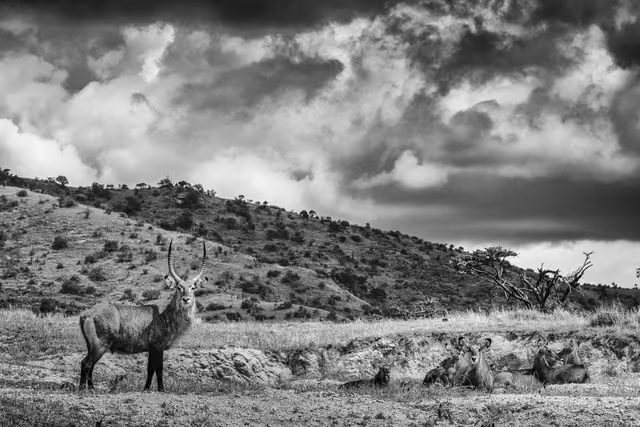
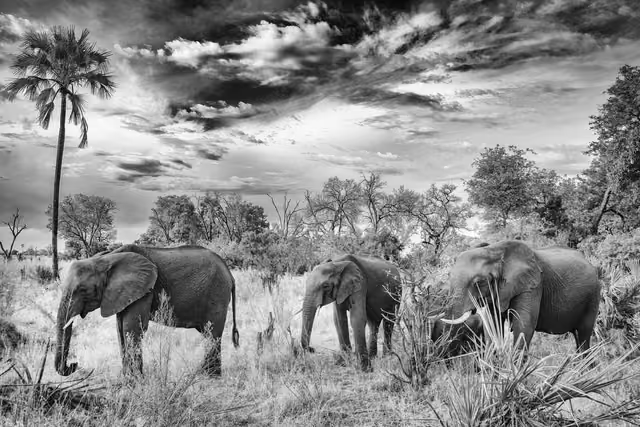
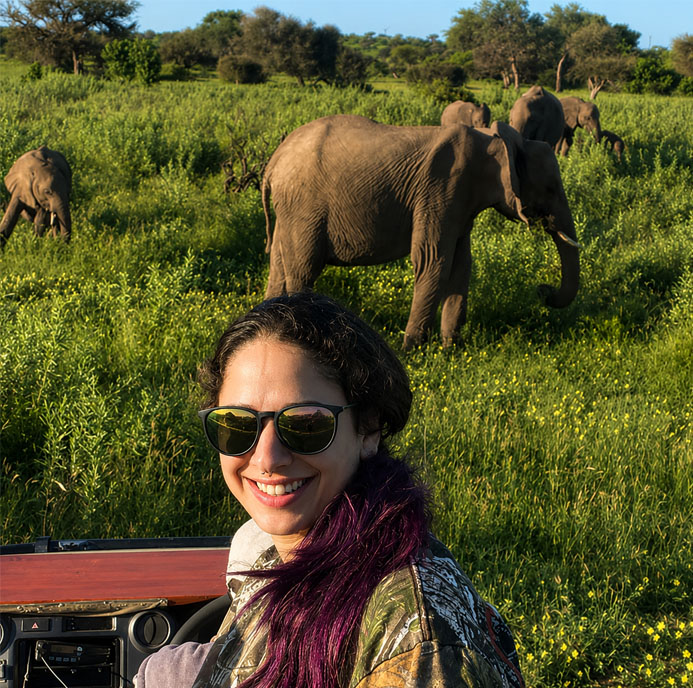
Standing among free-roaming elephants in the Serengeti, Xtina was overwhelmed — not by fear, but by awe. For the first time, conservation became deeply personal. She no longer saw wildlife as distant environmental issues; she saw individual animals with personalities, families and lives worth protecting.
From photographer to conservationist
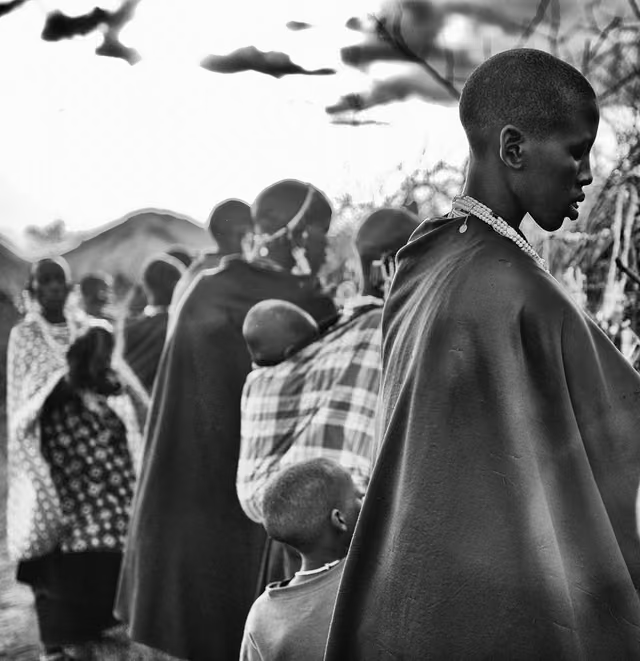
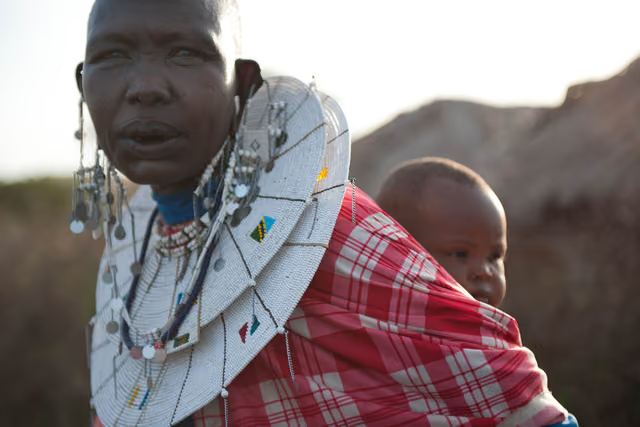
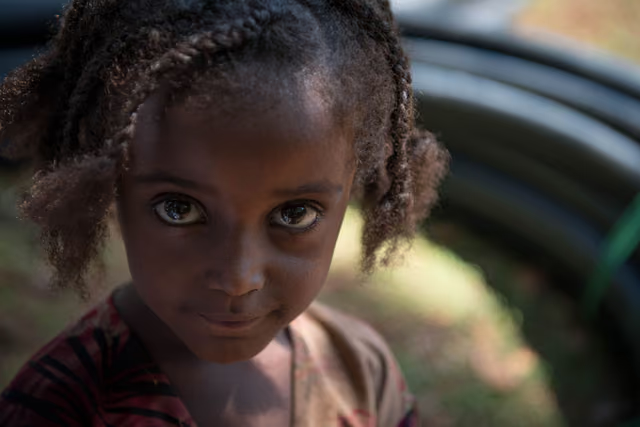
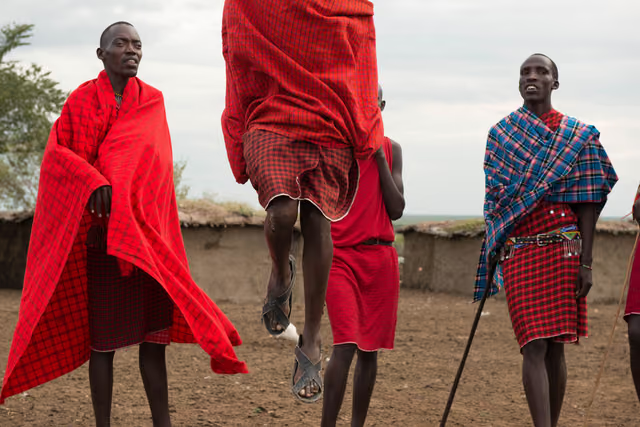
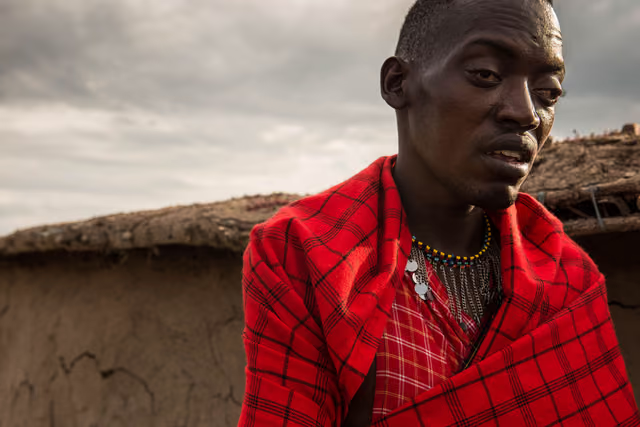
Photography gave Xtina a reason to return to Africa again and again. Over time, the camera became a passport into conversations with scientists, conservationists, researchers, local leaders and Indigenous communities. She learned that protecting wildlife requires far more than safeguarding animals — it means restoring habitats, reconnecting fragmented landscapes, supporting research and creating economic opportunities for the people who live alongside wildlife every day.
Conservation on the ground
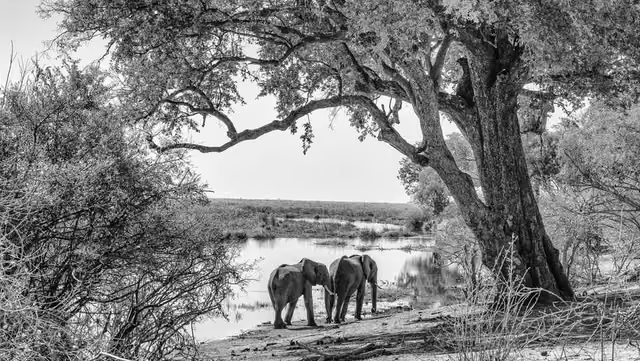
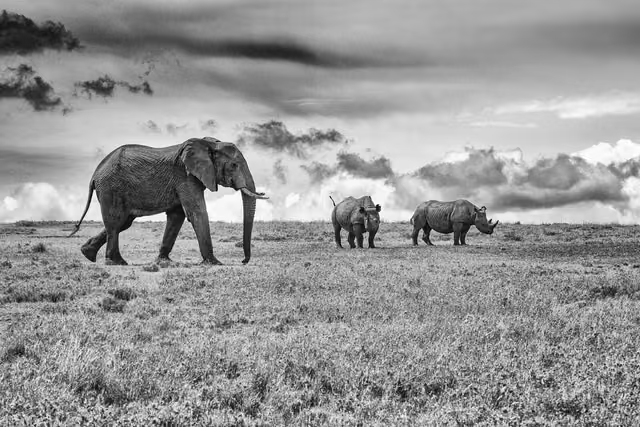
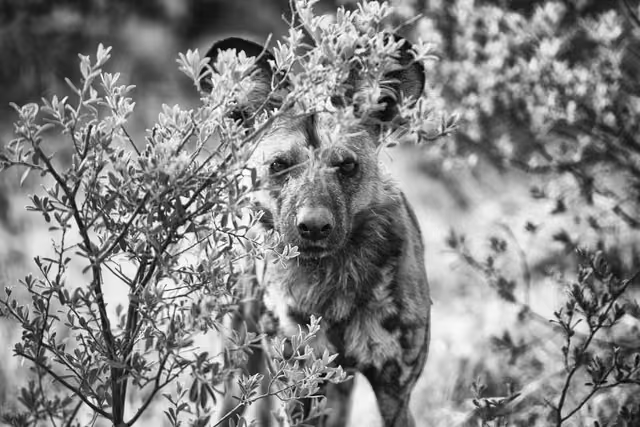
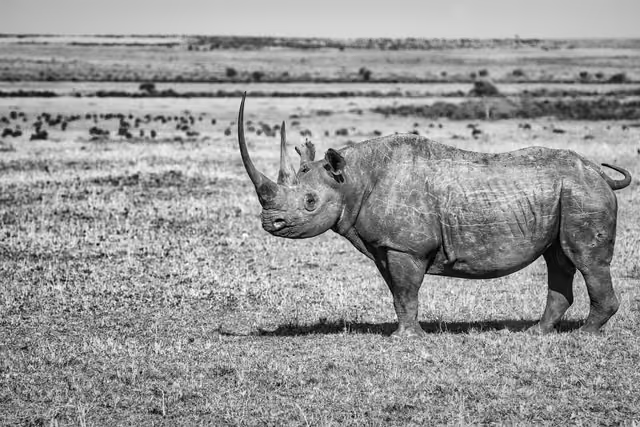
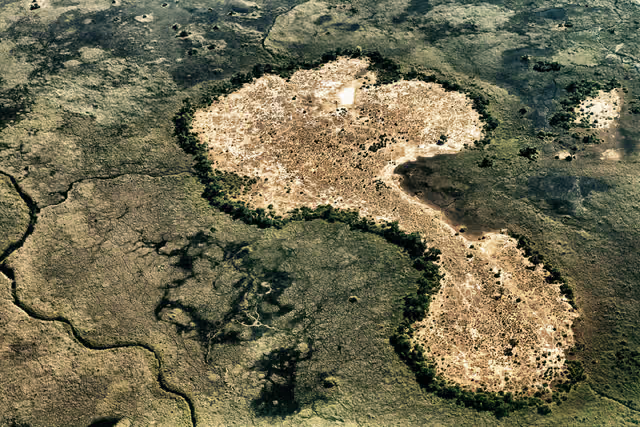
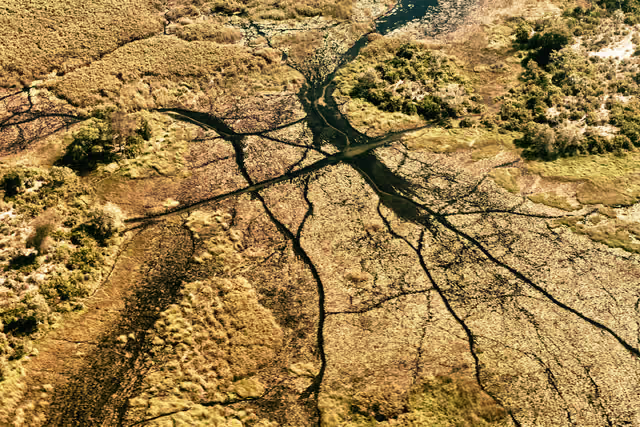
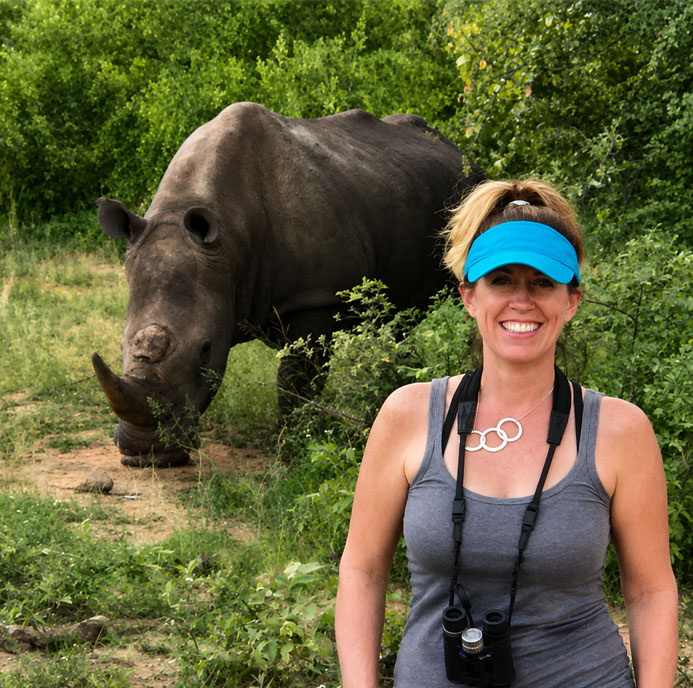
Botswana became the place where her vision took root. She and her husband, James R. Parks, spend significant time in the country, working alongside conservation partners. At the Limpopo-Lipadi Private Game & Wilderness Reserve, ROAM advances habitat restoration, species reintroduction and the protection of endangered wildlife — including the southern white rhino and African wild dog. Xtina serves on the reserve's Conservation Committee, while James chairs the Game Reserve Council.
Building the ROAM ecosystem
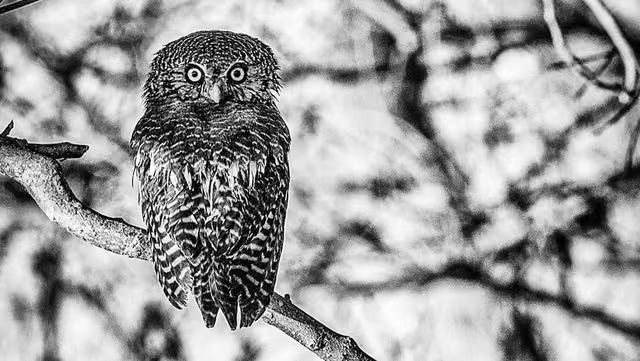
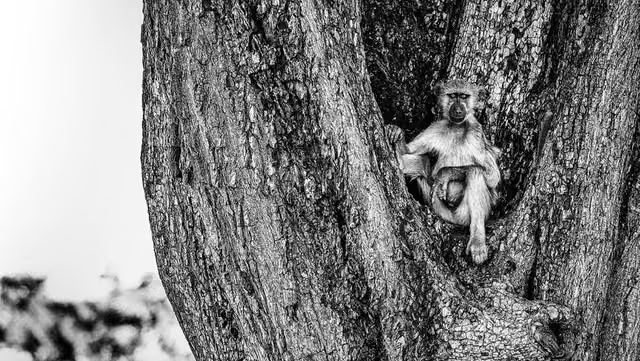
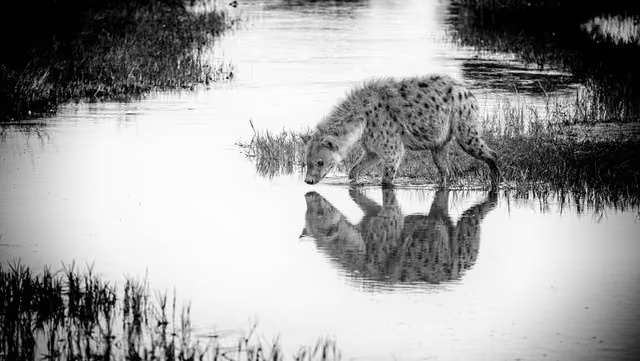
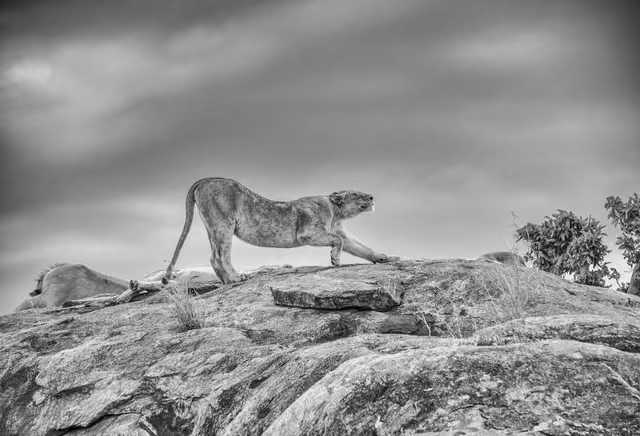
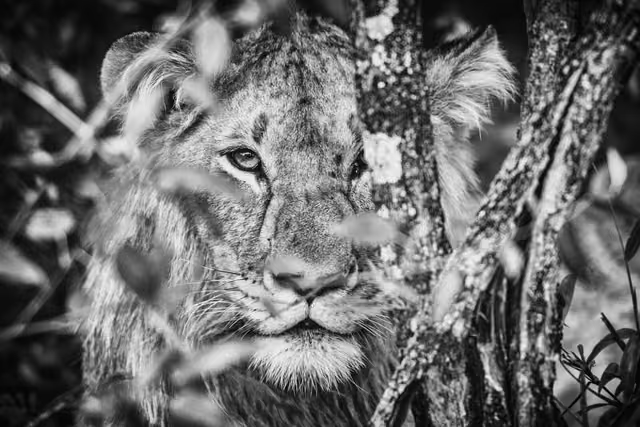
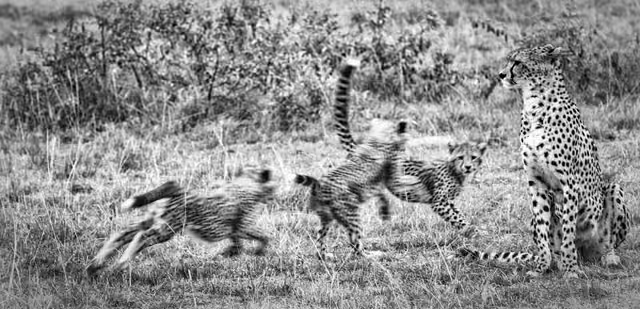
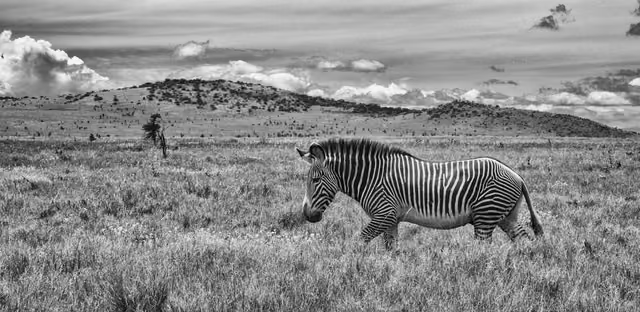
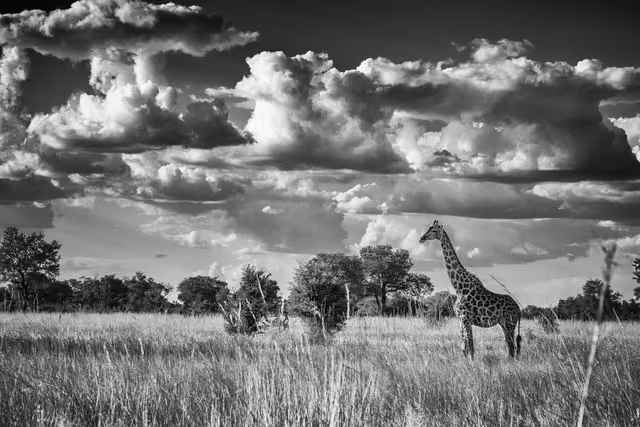
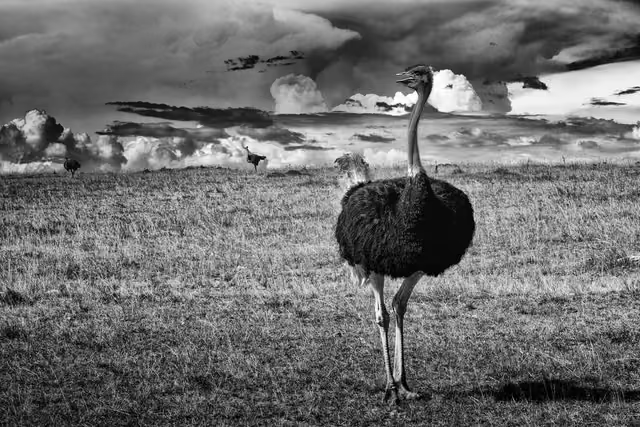
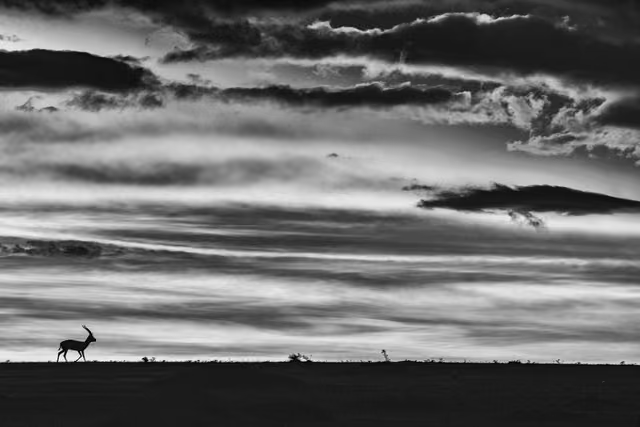
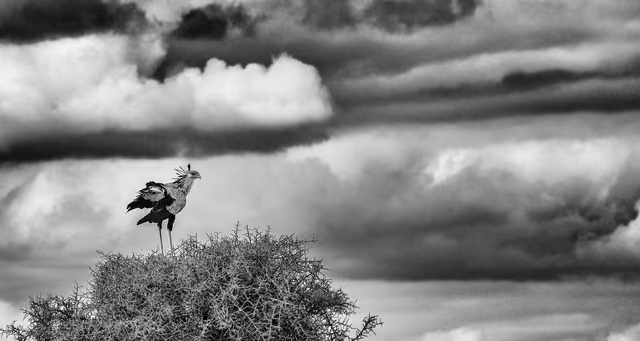
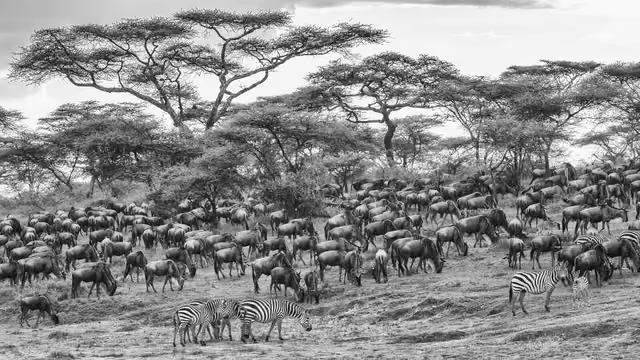
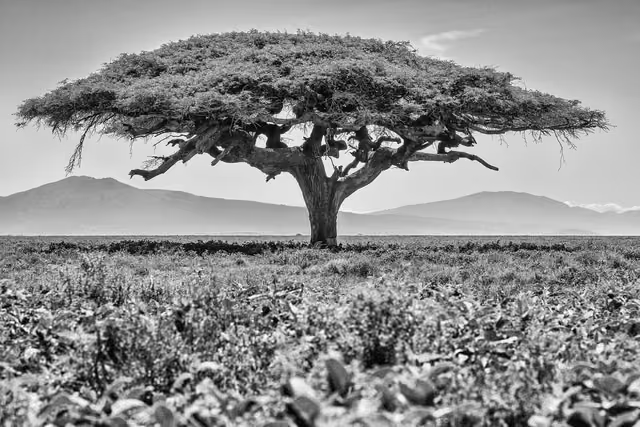
One organization alone could not accomplish everything needed to create lasting change; conservation doesn't happen in isolation. Instead of isolated projects, Xtina built something larger: a connected network of creative and conservation initiatives designed to strengthen one another. Roam Africa Conservation 501(c)(3) restores habitats and reconnects corridors; Xtina Studios produces documentary films and the YouTube series ROAM with Xtina (350,000+ subscribers) to hero the stories; her award-winning photography and book ROAM celebrate Africa's landscapes; ROAM: A Xtina Parks Gallery creates economic opportunity for African artists and artisans, and a shared coffee shop highlighting sustainably sourced micro-plot farmers. Together, they form an ecosystem where creativity supports conservation.
Conservation requires funding, education and public awareness. It requires artists, storytellers, partners, researchers, scientists, businesses and communities working together toward the common goal, for the greatest possible impact.
Leadership through service
Xtina serves on the Massachusetts College of Liberal Arts Foundation Board of Directors and the Hancock Shaker Village Board of Trustees. With James, they established the Chrystina and James R. Parks Research Center for Archives, Conservation, and Collections Care at the Autry Museum of the American West. A common thread runs through each role: investing in institutions that preserve knowledge, strengthen communities and inspire future generations.
Looking ahead
The vision for ROAM extends well beyond protecting wildlife today — expanding habitat connectivity, supporting regenerative agriculture, strengthening community-led programs and developing sustainable ecotourism that creates jobs while protecting biodiversity.
Every photograph, every expedition, every film, every partnership, every conversation, every donation gift towards the conservation efforts is part of that larger mission. Because conservation is never the work of one person. It is the work of an entire ecosystem.